Car Rubbing Compound: Types, Functions, and How to Choose the Right One
18 November 2025 | By superadmin
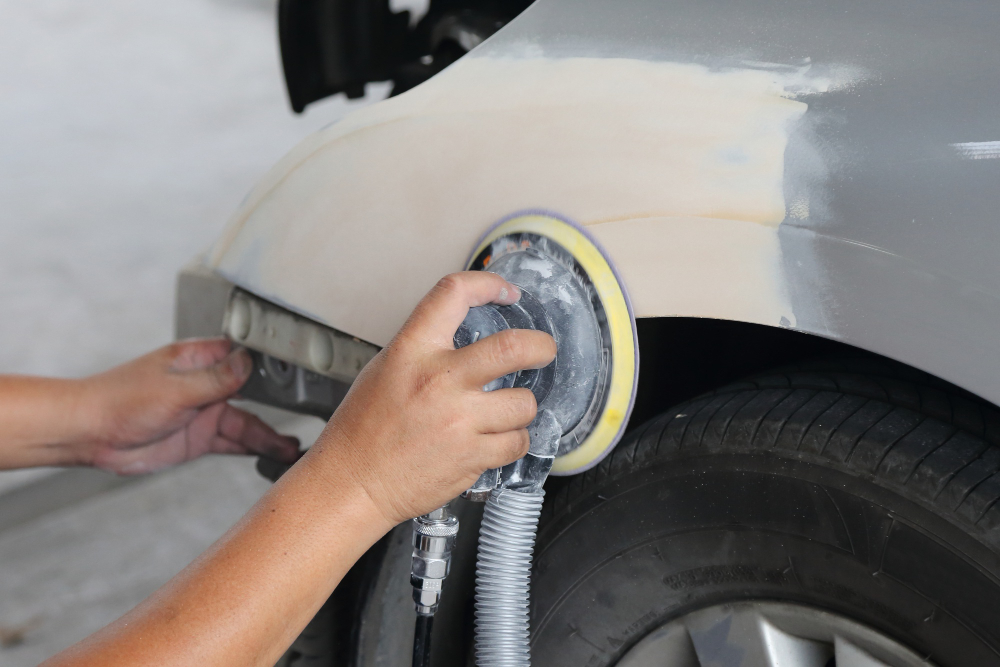
One of the most essential steps in auto detailing is using a car rubbing compound. This product helps restore dull paint shine and remove minor scratches without requiring a full repaint. However, to achieve optimal results, choosing the right type of rubbing compound and applying it correctly is crucial.
What Is a Car Rubbing Compound and What Are Its Functions?
A car rubbing compound is a fine abrasive material used in the detailing process to remove a thin layer of paint surface, helping eliminate scratches, oxidation stains, and minor swirl marks. It works like a “liquid sandpaper,” restoring faded or dull paint caused by age or long-term sun exposure. In professional car care, rubbing compound is an essential step before polishing and waxing to achieve a smooth, glossy, and flawless finish.
Primary Functions of Car Rubbing Compound to Restore Glossy Paint Finish
The primary function of a car rubbing compound is to improve the appearance of the paint surface by leveling uneven areas. Its fine abrasive ingredients help remove oxidation layers and light scratches without damaging the clear coat. After application, the paint color will appear brighter, clearer, and more reflective. This product also prepares the surface before applying protective coatings such as wax or sealant, resulting in a longer-lasting finish.
The Difference Between Rubbing Compound, Polish, and Car Wax
Although often assumed to be the same, a rubbing compound is different from polish and car wax. A rubbing compound is designed to correct the surface, while polish is used to refine and enhance gloss after correction, and wax functions as a protective layer against dust, water, and UV exposure. In other words, a rubbing compound is the first step in restoring the paint surface so it can be properly polished and protected.
Types of Car Rubbing Compounds
Each type of car rubbing compound has a different level of abrasiveness and function depending on the condition of the paint being restored. Understanding these differences is important to achieve the best results without causing additional damage to the vehicle’s surface.
Heavy-Cut Rubbing Compound for Deeper Scratches
This type contains larger and more aggressive abrasive particles, making it suitable for fixing deeper scratches, heavy oxidation, or sanding marks. Heavy-cut compounds are typically used by professionals because they require precise pressure control to avoid damaging the base paint layer.
Fine-Cut Rubbing Compound for Finishing and Gloss
For the final stage, a fine-cut rubbing compound with a low abrasive level is used. This type helps remove swirl marks and provides a natural glossy finish without requiring excessive pressure. It is ideal for maintaining a smooth, shiny, and refined final result.
Water-Based vs. Oil-Based Rubbing Compounds
The main difference between the two lies in their formula and final results:
- Water-based: more eco-friendly, easy to clean, and does not leave an oily residue. Ideal for home or DIY users.
- Oil-based: offers longer durability and works more effectively on older or harder paint surfaces. It is commonly used in professional workshops to achieve a deeper, glossier finish.
All-in-One Rubbing Compound: A Practical Choice for Quick Results
All-in-one products combine light cutting ability and polishing performance in a single step. This type is very practical for users who want to save time, especially for routine maintenance without requiring additional finishing stages.
Common Mistakes When Using Car Rubbing Compounds
Many users experience less-than-optimal results due to incorrect techniques or improper application conditions. Understanding the following common mistakes can help you maximize the benefits of a car rubbing compound while keeping the paint surface safe.
Applying Too Much Pressure While Rubbing
Many users assume that applying stronger pressure will deliver faster results. In fact, excessive pressure can thin the clear coat and create new rubbing marks. Use medium pressure with circular motions to achieve an even and smooth finish.
Using the Product on a Hot Surface
Rubbing compound should be applied in a shaded area with a normal surface temperature. Working on a hot surface can cause the compound to dry too quickly, making it difficult to remove and potentially leaving white stains or a hazy finish on the paint.
Not Cleaning the Residue After Polishing
Leftover residue that is not cleaned properly can stick and harden on the surface, resulting in a dull finish. After the process is complete, wipe it off using a clean microfiber cloth until the surface is completely free from residue to achieve maximum shine.
FAQ
- What’s the difference between rubbing compound and car polish?
Rubbing compound works to cut and correct damaged or dull paint layers, while polish is used afterward to refine the surface and enhance gloss. In short, rubbing compound is the correction stage, while polish is the finishing stage.
- Can rubbing compound remove deep scratches?
Yes, but only to a certain extent. For scratches that haven’t penetrated the clear coat, a heavy-cut rubbing compound can help reduce or conceal them. However, if the scratch has reached the base paint layer, repainting is required.
- Is it safe to use rubbing compound at home without professional tools?
Yes, it is safe as long as it’s used correctly. Use a fine-cut rubbing compound, apply it with a microfiber cloth or soft sponge, and avoid applying excessive pressure to prevent removing too much of the paint layer.
- Is it better to use a water-based or oil-based rubbing compound?
For routine home maintenance, choose a water-based compound as it is safer and easier to clean. For maximum results in a workshop or when restoring older paint, an oil-based compound can provide a higher-gloss finish.
- How to Choose the Right Car Rubbing Compound?
Match it to the paint condition and your needs.
- For deep scratches, choose a heavy-cut compound
- For finishing and routine maintenance, choose a fine-cut compound
- For ease of use, choose an all-in-one compound
RELATED NEWS
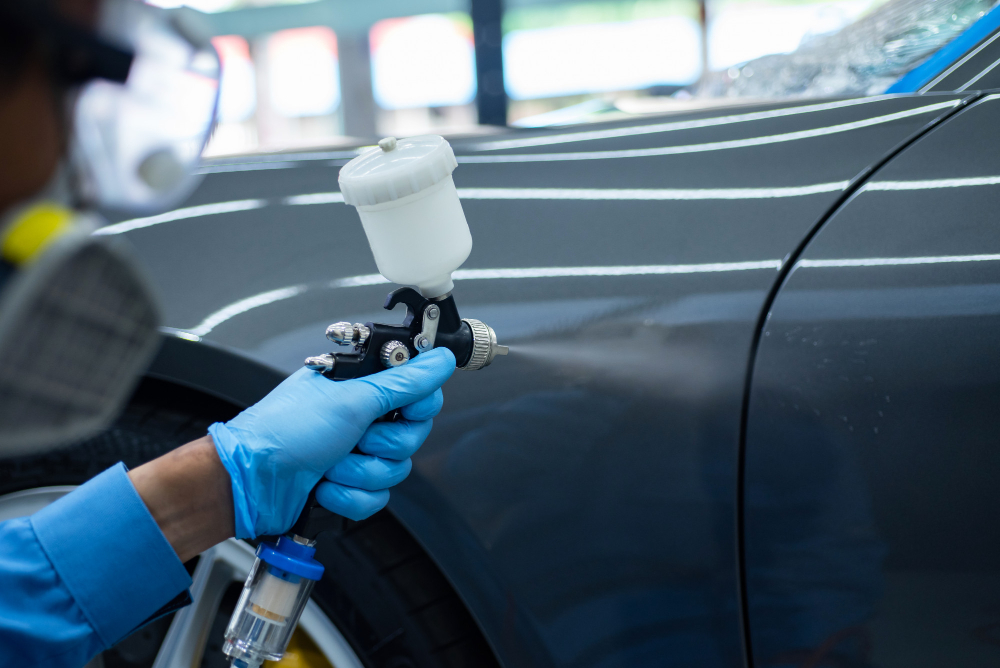
16 Desember 2025
Car Repainting Steps & Essential Automotive Paint Materials
In the refinishing process, the quality of the final paint result is not determined solely by the
Read More >>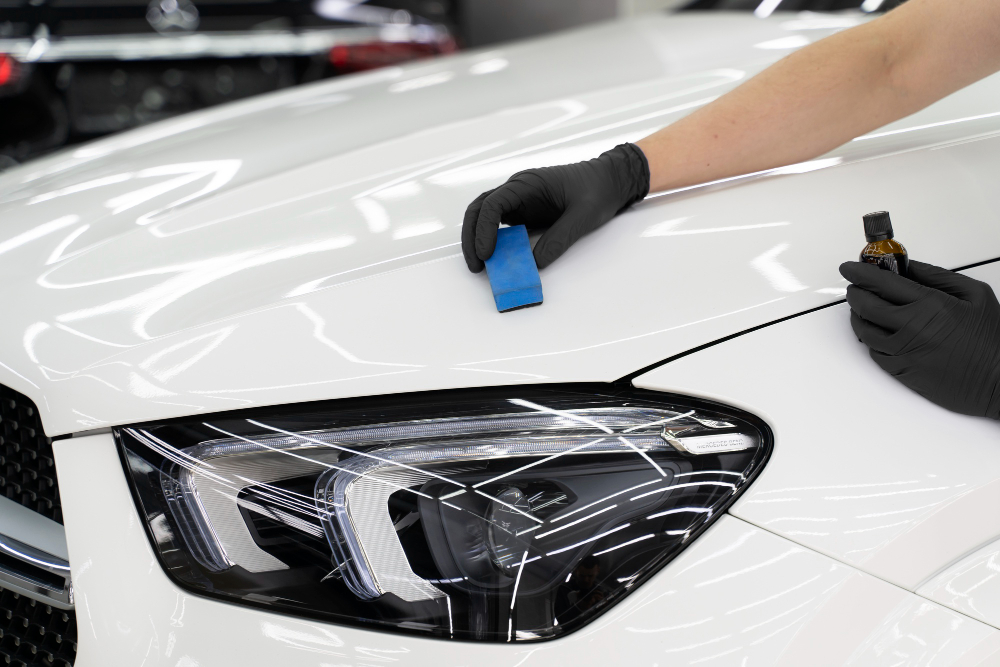
15 Desember 2025
Simple Tips to Protect and Maintain Your Car’s Exterior Paint
Taking care of your car’s exterior paint is actually not complicated, as long as it is done
Read More >>