Common Mistakes in the Sequence! Here’s the Correct Wood Coating Process!
18 Agustus 2025 | By Alfatama Admin
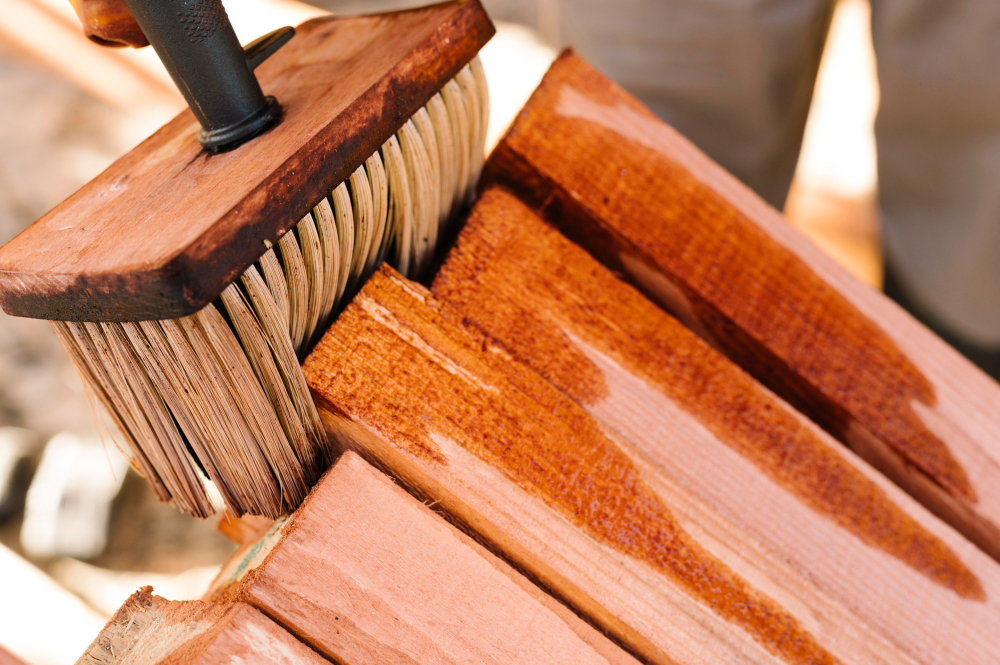
When it comes to wood coating, many people often make basic mistakes, especially in the application sequence. The consequences? Uneven color, peeling layers, and a finish that doesn’t last long. In fact, by following the correct order, you can achieve a smooth, long-lasting, and professional-quality finish.
One of the biggest sources of confusion comes when distinguishing between wood filler and wood putty. Although they are often thought to be the same, they actually serve very different purposes. Wood filler is used to fill pores, small cracks, and fine holes, while wood putty is better suited for filling larger dents or minor structural defects.
Don’t Rush to Paint, Here’s the Preparation Step Most People Forget!
Many people think wood coating is simply about choosing an appealing paint color and applying it directly to the surface. In reality, the preparation process before painting is the key to achieving a neat, long-lasting, and flawless finish. Skipping these initial steps can lead to uneven color, peeling, and even leave the wood surface looking dirty and blotchy.
Step-by-Step Sanding

The first step in the proper wood coating process is gradual sanding. Start with coarse-grit sandpaper (such as 80 or 100) to remove rough surfaces and old residues, then continue with medium and fine grits (up to 240 or higher) to smooth the surface thoroughly. Sanding not only evens out the wood surface but also opens its pores, allowing the next layers—such as wood filler, primer, or paint—to adhere more effectively.
Cleaning the Wood Surface Pores

After the sanding process is complete, the next step is to clean off sanding dust and debris from the wood surface. Use a soft cloth, vacuum, or blower to ensure the pores are completely free from fine particles that could affect the adhesion of the next layers. Avoid using a wet cloth, as moisture can seep into the wood fibers and prevent the coating from bonding properly.
The Function of Primer in Sealing Wood Pores
Wood surfaces—especially solid, untreated types—naturally have large pores and fibers that actively absorb liquids. If you apply paint directly without using a primer, the result will often look patchy, uneven, and fade quickly. This is where primer plays a crucial role: it seals the pores, creates a smooth base layer, and provides the ideal surface for paint to adhere to properly.
Even if you’ve already used wood putty to repair holes or dents, primer is still necessary to ensure the patched areas blend seamlessly with the surrounding surface. It helps even out differences in texture between the natural wood and the filled sections, resulting in a more consistent and professional-looking finish.
Read More: Mengapa Epoxy Mobil Cocok untuk Filler Cat Konvensional?
Using the right primer not only enhances the quality of your wood coating but also reduces the amount of paint needed. Without primer, the paint gets absorbed deeply into the wood, forcing you to apply multiple coats to achieve the desired solid color. With primer, the surface becomes more sealed and stable, allowing the color to appear richer, sharper, and more vibrant with thinner layers.
For the best results, choose a primer that matches the wood coating system you are using:
- Primer water-based: fast-drying, low-odor, and suitable for eco-friendly finishing.
- Primer solvent-based: strong adhesion, ideal for industrial or commercial finishing.
- Acrylic primer: flexible, easy to apply, and suitable for various types of wood.
Remember the Clear Coat: The Key to Protecting Your Wood Finish

A clear coat acts as a transparent shield that keeps the paint layer durable and resistant to damage. Without it, wood paint becomes more vulnerable to scratches, fading, and a rough surface texture. This protective layer is especially important for furniture or wooden elements that are frequently touched, exposed to heat, or come into contact with objects—such as dining tables, kitchen cabinets, and window frames.
Types of Clear Coats for Wood Finishing
In a wood coating system, there are several types of clear coats you can choose from depending on the desired aesthetic:
- Matte: Provides a natural, non-glossy look, perfect for minimalist or rustic styles.
- Semi-gloss: A balance between sheen and natural appearance, commonly used for indoor furniture.
- Gloss: A high-gloss effect that delivers a luxurious and premium look.
One of the most common mistakes is applying the clear coat too soon, before the color coat has fully dried. This can cause the clear layer to pull up the paint beneath it, resulting in wrinkles, stains, or even cracks. Ideally, you should wait 12–24 hours after applying the solid color before adding a clear coat. If you’ve used wood putty to smooth out the surface, the clear coat also helps unify the visual appearance between the filled areas and the natural wood surface.
If you want a durable, professional-quality finish, make sure to use premium wood coating products from Alfaglos. At Alfaglos, you’ll find a wide range of wood paints, clear coats, and wood putties suitable for everything from home furniture projects to industrial needs. And if you’re looking for high-quality metal putty, Alfaglos has that too. Whether you’re working with wood or metal, you can find all your finishing essentials in one place.
RELATED NEWS
16 Desember 2025
Car Repainting Steps & Essential Automotive Paint Materials
In the refinishing process, the quality of the final paint result is not determined solely by the
Read More >>
15 Desember 2025
Simple Tips to Protect and Maintain Your Car’s Exterior Paint
Taking care of your car’s exterior paint is actually not complicated, as long as it is done
Read More >>