Exploring the Evolution of Car Body Fillers and Auto Repair Techniques
15 September 2025 | By Alfatama Admin
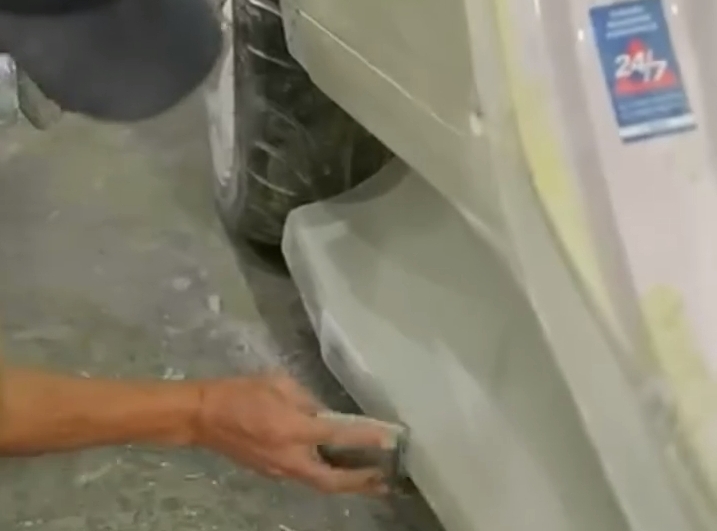
With advances in technology, car body fillers have evolved from simple filling materials into a crucial part of modern auto body repair standards. From time-consuming traditional techniques to innovations such as lightweight, fast-drying, and low-VOC fillers, each development has significantly impacted repair quality. Today, choosing the right car body filler not only ensures a smooth paint finish but also improves workshop efficiency and the long-term durability of the vehicle after repair.
From Traditional Techniques to Polyester Resin

Auto body repair has continually evolved alongside advances in automotive technology. From traditional methods that relied heavily on manual labor and skill, the industry has now shifted to using modern materials that are more practical and efficient. One of the most significant innovations is the introduction of polyester putty, or polyester resin filler, which has become a key milestone in achieving car body repairs that are neat, fast, and long-lasting.
The Era of Traditional Car Body Fillers (Early Industry – 1990s)
In the early days of the automotive industry, repairing dented car bodies was done using manual and traditional methods. Technicians typically relied on techniques such as hammering panels with specialized hammers, heating metal, and re-welding damaged sections. In some cases, solder was also used to fill gaps and level surfaces.
While these methods could restore the basic shape of the panels, they were highly dependent on the skill of the technician, time-consuming, and did not always produce a smooth finish—especially on large or complex body areas. Repeated heating and welding could even weaken the car’s metal structure, reducing its durability.
The Transition Era to Polyester Resin (1990s – 2000s)
The limitations of traditional methods eventually spurred new innovations in the world of auto body repair. A major shift occurred with the introduction of polyester resin as the base material for fillers, bringing unprecedented efficiency.
Polyester putty is easier to apply, dries quickly, and offers strong adhesion. Once applied, its surface can be sanded to a perfectly smooth and even finish before painting. This innovation marked a crucial turning point in car body repair, allowing technicians to work faster, achieve more precise results, and provide repairs with significantly improved durability.
The Modern Car Body Filler Era (2000s – Present)
Since the era of polyester resin, development has continued toward more innovative formulas. Manufacturers began producing high-quality car body fillers with special blends that are lighter, fast-drying, and durable. As a result, the auto body repair industry has become more efficient and professional. Today, polyester resin is not just a filler material, as it has become a global standard in the automotive industry, replacing traditional methods that are now considered outdated.
Modern Developments in Car Body Filler & Auto Body Repair

After polyester resin became the new standard in auto body repair, manufacturers continued to develop formulas to meet the increasingly diverse needs of workshops. Initially, car body fillers served merely as simple filling materials. However, as demands for quality and efficiency grew, innovations emerged with various additive blends that enhanced filler performance.
One of the early breakthroughs was the introduction of fillers mixed with metal powders. This formula provided better durability and extra strength, particularly for panels with severe damage. Soon after, fiberglass filler technology was introduced. The fiberglass blend made the filler more robust, less prone to cracking, and ideal for areas of the car requiring strong structural support.
The next innovation was the creation of lightweight fillers. These are easier to shape, dry quickly, and are significantly lighter compared to metal or fiberglass blends. These characteristics made technicians’ work more efficient, as the filler surface could be sanded to a perfectly smooth finish more easily. Additionally, the lighter weight helps reduce the risk of cracking the paint layer over time.
The Rise of Low-VOC, Eco-Friendly Car Body Fillers

Awareness of health and environmental impacts is now driving real change in the auto body repair industry. Whereas high-VOC fillers were once considered standard, the current trend is the opposite: more workshops and manufacturers are switching to low-VOC car body fillers.
This trend is evident in several ways. First, major paint and filler manufacturers are positioning low-VOC products as flagship lines, even promoting their environmental benefits as a key selling point. Second, professional workshops in major cities are becoming increasingly selective in choosing eco-friendly materials—not only to meet consumer demand but also in response to stricter global automotive industry regulations.
Additionally, the trend is reinforced by growing consumer awareness. Car owners are now more likely to trust workshops that use environmentally friendly materials, seeing them as modern and concerned for technician safety. Repair results remain optimal: strong adhesion, fast drying, and easy sanding, just like high-quality car body fillers.
The Role of Car Body Fillers in Modern Auto Repair

In the auto body repair process, choosing the right car body filler plays a crucial role. The quality of the filler largely determines the final appearance of the paint job. A smooth, even filler with strong adhesion creates a perfect panel surface, allowing the paint to bond properly. Conversely, poor-quality filler can result in wavy paint, easy peeling, or even cracking over time.
Beyond affecting the final finish, the choice of filler also greatly impacts workshop efficiency. Premium products, such as high-quality metal fillers or lightweight fillers, make it easier for technicians to apply, shape, and sand the surface. A faster and more practical process helps save time and reduces operational costs.
Furthermore, fillers are now seen not merely as dent fillers but as part of the quality standard in body repair. Car body fillers determine whether the repair results meet customer expectations while maintaining the vehicle’s aesthetic value. Modern workshops are increasingly selective in choosing products that are strong, durable, and capable of supporting neat, efficient, and environmentally friendly repairs.
Alfaglos offers a range of high-quality filler products designed to meet modern body repair standards, from premium metal fillers to fast-drying, easy-to-sand lightweight variants. With innovative formulations, Alfaglos helps workshops work more efficiently while achieving flawlessly smooth paint finishes.
RELATED NEWS
16 Desember 2025
Car Repainting Steps & Essential Automotive Paint Materials
In the refinishing process, the quality of the final paint result is not determined solely by the
Read More >>
15 Desember 2025
Simple Tips to Protect and Maintain Your Car’s Exterior Paint
Taking care of your car’s exterior paint is actually not complicated, as long as it is done
Read More >>