How Filler Thickness Affects Auto Body Repair
17 September 2025 | By Alfatama Admin
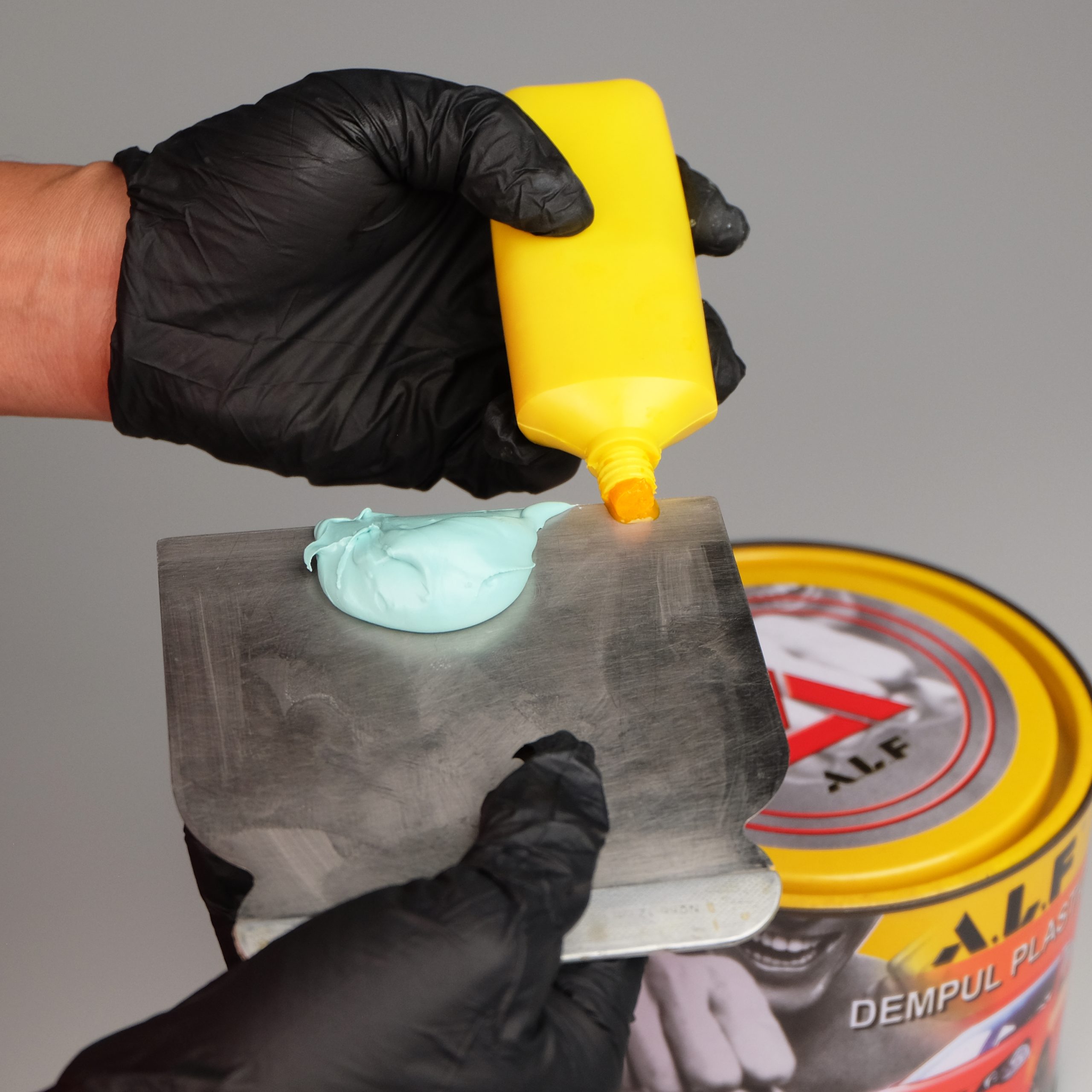
In the world of auto body repair, every small detail affects the quality of the final result. The process involves fixing dented body structures, smoothing surfaces, and preparing them for repainting. One of the most important stages is the use of filler, as this layer serves as the foundation for the paint to adhere properly, ensuring a perfectly smooth finish.
Unfortunately, many car owners still believe that the thicker the filler layer, the better the repair. In reality, overly thick filler can crack, peel, and cause the paint surface to appear uneven. Conversely, a layer that is too thin cannot fully cover scratches or dents.
This is why understanding the ideal thickness when applying filler for scratches or dents is so important. With the right technique, the repair results not only look neat but are also more durable, strong, and in line with modern auto body repair quality standards.
Car Filler Types and Ideal Thickness in Auto Repair
In auto body repair practice, the choice of filler type and its application thickness cannot be random. The right thickness ensures stronger paint adhesion, a smoother repair finish, and long-lasting body durability. There are three main types of fillers commonly used:
- Base filler (polyester putty)
This type is used to fill relatively deep dents or large scratches. However, even though its function is to fill, the layer must still be kept thin and even. Excessive thickness can cause the filler to crack quickly due to vibrations and temperature changes. Ideally, a single layer should not exceed 3–4 mm, and if a thicker application is needed, it should be applied in stages with drying between layers.
- Fine filler (finishing putty)
It is used to even out pores, fine scratches, or slight waves on the surface after applying the primer filler. Since it serves only as a thin top layer, the ideal thickness is 0.5–1 mm. If applied too thickly, the finishing putty can easily peel when sanded or exposed to sunlight.
- Custom filler (tahan panas, cepat kering, atau anti air)
Custom fillers are developed for specific needs, such as engine areas exposed to high heat or quick repairs in workshops. Even though their formulas are stronger, the same thickness rules apply: the thinner and more even the layer, the better the adhesion and durability.
This clearly shows that filler thickness greatly determines the quality of auto body repair. Fillers are not a substitute for the body structure but serve to mask imperfections and prepare the surface for painting. When applied with the correct type and thickness, the repair results appear neat, the paint adheres more strongly, and the car body’s long-term durability is improved.
Risks of Using Overly Thick Car Body Filler
Problems often arise when car body filler is applied too thickly. Instead of creating a smooth surface, excessive thickness can trigger various subsequent damages that affect paint durability and the strength of the car panels. Here are some of the main risks commonly encountered in body shops.
1. Cracking and Easy Paint Peeling

Excessively thick filler layers tend to be inflexible. When the car body experiences vibrations or pressure, the filler can crack because it cannot follow the panel’s movements. These small cracks then make the paint on top more prone to peeling. As a result, a repair intended to hide damage can end up creating even more noticeable defects.
2. Wavy Body Surfaces Due to Improper Filler Application

In addition to cracking, excessive filler can also make the car body surface appear uneven. In workshops, this often shows up as a wavy finish, even after repeated sanding. Excessive thickness makes it difficult for technicians to reshape the panel according to its original contour, resulting in a less tidy paint job and reduced aesthetic value of the vehicle.
3. Reduced Vehicle Durability Against Weather and Vibrations

Excessively thick filler also affects long-term durability. Thick layers are more prone to absorbing heat from the sun, moisture from rain, and vibrations during vehicle use. These conditions accelerate cracking and reduce paint adhesion. Over time, surfaces that were once smooth can deteriorate again, requiring the car owner to perform repairs anew.
Ideal Filler Thickness Standards in the Automotive Industry
In body repair practice, the ideal filler thickness is usually only a few millimeters, not multiple layers. Filler applied thinly yet evenly is far more effective at covering scratches or small dents than a thick layer. This principle helps maintain panel flexibility while ensuring the paint on top adheres firmly without the risk of cracking.
Key Factors Affecting Filler Application Result

Filler thickness is also influenced by several factors, such as the condition of the panel being repaired, the type of filler used for scratches, and the technician’s application technique. Panels with light dents only require a thin layer, while deeper damage usually needs a combination of panel leveling techniques before applying filler. Choosing the right filler product is crucial for repair success.
Alfaglos provides the solution for those prioritizing quality in car body repairs. With a range of top-quality car fillers, including lightweight and premium metal fillers, Alfaglos helps professional workshops achieve smooth, durable, and efficient auto body repair results. Trust your car care to Alfaglos and experience the difference in every repair detail.
RELATED NEWS
17 Desember 2025
Car Repainting Steps & Essential Automotive Paint Materials
In the refinishing process, the quality of the final paint result is not determined solely by the
Read More >>
16 Desember 2025
Simple Tips to Protect and Maintain Your Car’s Exterior Paint
Taking care of your car’s exterior paint is actually not complicated, as long as it is done
Read More >>