What Is Melamine Sanding Sealer? Here’s the Difference Between It, Primer, and Clear Coat!
20 November 2025 | By superadmin
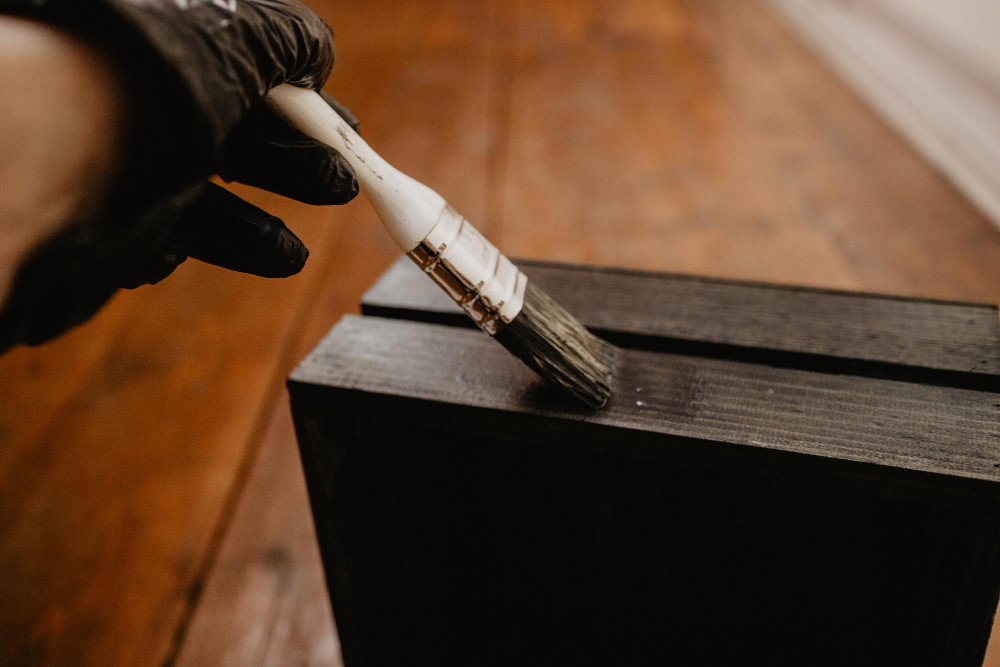
In the finishing process, especially in the automotive and furniture industries, melamine sanding sealer plays a vital role in creating a smooth, durable surface that is ready for the final coating. Many people mistakenly think this material is the same as primer or clear coat, but each serves a different function in the coating process.
Understanding Melamine Sanding Sealer and Its Functions
Essentially, sanding sealer serves to prepare the substrate so that paint adheres perfectly without absorbing too much of the subsequent finishing materials.
Composition and How Melamine Sanding Sealer Works
Melamine sanding sealer is a base layer formulated to fill the pores of wooden surfaces and help enhance the adhesion of the clear coat. Once applied, the sanding sealer dries and can be sanded to achieve a smoother finish. This process helps increase the paint film thickness, resulting in a more even, smooth, and sleek final surface.
Benefits of Using Melamine Sanding Sealer
Using melamine sanding sealer offers numerous benefits. In addition to helping fill pores, this product also strengthens the subsequent paint layer, preventing it from peeling easily. A good sealer layer also protects the substrate from moisture and temperature changes, ensuring a more durable and long-lasting finish.
The Difference Between Melamine Sanding Sealer, Primer, and Clear Coat
- Sanding Sealer: functions as a pore filler and surface leveler before painting, while also enhancing the adhesion of the clear coat.
- Primer: used in the automotive sector to improve paint adhesion on metal or hard surfaces.
- Clear Coat: serves as the final layer, providing gloss, protection, and resistance to scratches and UV exposure.
The Application Sequence of Melamine Sanding Sealer and Coats
Transparent or natural wood finishing requires multiple layered steps to achieve a smooth, even, and long-lasting result. To obtain the best final outcome, it is important to understand the ideal sequence in the finishing process, which is:
- Wood Filler Application: First, sand the wood along the grain, then apply wood filler to fill pores and minor imperfections. Once dry, sand again until smooth.
- Staining (Wood Stain): If you want to enhance a specific color, apply the wood stain evenly, then allow it to dry completely before proceeding to the next step.
- Sanding Sealer Application: Coat the surface with sanding sealer to lock in the color and smooth the wood texture. Once dry, perform fine sanding to prepare the surface for the final coating.
- Primer Application: If a solid (non-transparent) finish is desired, apply primer as a base before the top coat to enhance adhesion and even out the color.
- Clear Coat (Top Coat) Application: Finally, apply the clear coat as a protective layer and to define the final appearance (glossy, semi-gloss, or matte).
Advantages of Using Melamine Sanding Sealer
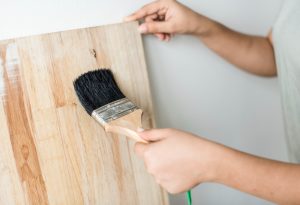
With its flexible and durable properties, this layer helps extend the lifespan of the surface while enhancing the final appearance.
1. High Coverage and Adhesion
One of the main advantages of melamine sanding sealer is its ability to fill small pores and enhance the adhesion of subsequent layers. Previously rough surfaces can become perfectly smooth, ready to accept paint or varnish without the risk of peeling.
2. Smoother Surfaces Ready for Finishing
After sanding, the sanding sealer layer creates a smooth and even texture. This helps the painting process run more efficiently, as the paint can adhere evenly without requiring many additional layers.
3. Scratch and Moisture Resistance
Sanding sealer also serves as an initial protective layer against light scratches and humidity. This helps prevent the substrate from deteriorating or developing mold, even when frequently exposed to damp or hot environments.
Recommended Best Melamine Sanding Sealer Products
For optimal results, use premium-quality melamine sanding sealer that offers excellent coverage, fast drying, lightweight application, and easy sanding. Professional-grade products are typically designed to be suitable for both furniture and automotive surfaces.
FAQ
1. “What is the main function of melamine sanding sealer in the finishing process?
Its function is to act as a pore filler and surface leveler, allowing paint to adhere perfectly, reducing excessive paint absorption, and enhancing adhesion between the base layer and the finishing coat.
2. Is sanding sealer the same as primer?
No. Primer is used to improve paint adhesion on metal or hard surfaces, while sanding sealer functions to fill pores and level the surface before the final painting.
3. Can melamine sanding sealer be used on all types of surfaces?
In general, yes. This product can be used on wood, MDF, and certain types of metal. However, always check the product instructions, as each formulation may have different compatibility.
4. What are the signs of high-quality melamine sanding sealer?
Its characteristics include fast drying, easy sanding, strong coverage, resistance to cracking, and compatibility with both primer and clear coat. High-quality products also do not leave stains or marks after drying.
5. How should you maintain a finish that uses melamine sanding sealer?
Use a soft cloth to clean the surface, avoid abrasive liquids, and prevent frequent exposure to water or direct heat.
RELATED NEWS
16 Desember 2025
Car Repainting Steps & Essential Automotive Paint Materials
In the refinishing process, the quality of the final paint result is not determined solely by the
Read More >>
15 Desember 2025
Simple Tips to Protect and Maintain Your Car’s Exterior Paint
Taking care of your car’s exterior paint is actually not complicated, as long as it is done
Read More >>