How Epoxy Adhesive Works: A Strong Bond for Metal, Plastic, and Fiberglass
23 November 2025 | By superadmin
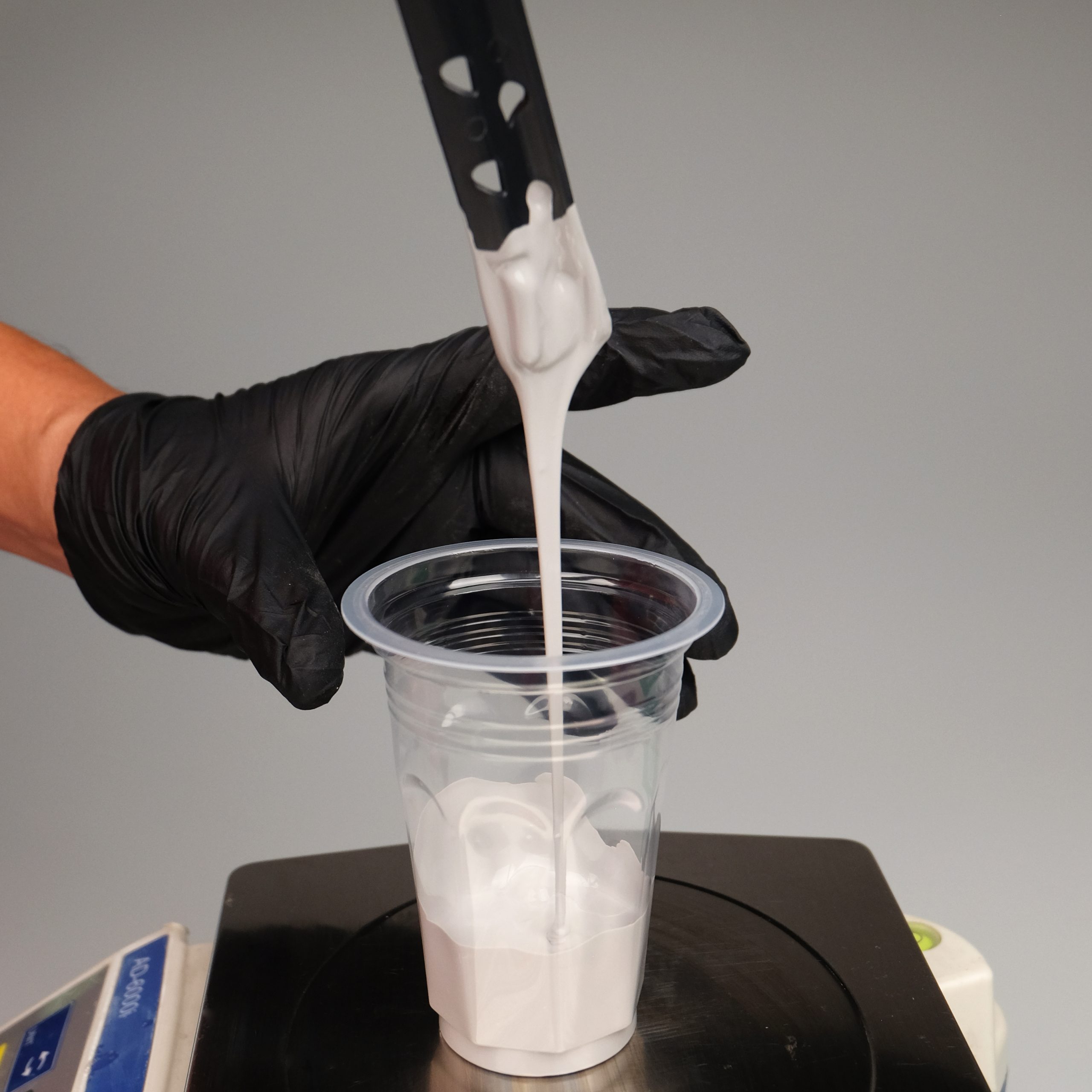
Epoxy adhesive is known as one of the strongest and most versatile adhesives, widely used across various industries from automotive to construction. Composed of two main components, resin and hardener, it works through a chemical reaction that creates an exceptionally strong bond between surfaces such as metal, plastic, and wood. Proper mixing proportions and application techniques are crucial to achieving the best results.
How Does Epoxy Adhesive Work?
Epoxy adhesive works through a chemical reaction between its two main components: resin and hardener. When these materials are mixed, a polymerization process occurs, transforming the liquid mixture into a solid with extremely strong molecular bonds. This is why epoxy can bond various surfaces, including challenging materials such as metal, hard plastic, and fiberglass.
In terms of composition, the resin acts as the base adhesive, providing flexibility and resistance to heat and chemicals. The hardener functions as the activator that triggers the curing process. The mixing ratio must be precise, typically 1:1 or as specified by the product instructions, because an incorrect ratio can result in an adhesive that feels sticky even after hardening.
The Chemical Reaction Behind Epoxy’s Strong Bond
The strength of epoxy adhesive comes from a chemical reaction called thermoset polymerization, where the molecules of the resin and hardener bond together to form a tightly interconnected three-dimensional network. This bond is not only mechanical (gripping the surface) but also chemical, penetrating into the micro-pores of materials such as metal or fiberglass. The result is an exceptionally strong adhesion that is resistant to water and chemicals.
Differences Between Epoxy Adhesive and Other Types of Glue
Unlike common adhesives such as PVAc glue, cyanoacrylate (super glue), or silicone, epoxy adhesive has a two-component chemical structure that makes it significantly stronger and more durable.
| Types of Adhesives | Main Components | Bonding Strength | Heat Resistance | Water/Chemical Resistance | Drying Time | Suitable Materials |
| Epoxy | Resin + Hardener (2 components) | Very Strong | Very Good | Very Good | Moderate | Metal, plastic, fiberglass, wood |
| Super Glue (Cyanoacrylate) | Single Cyanoacrylate | High | Low | Low | Quick Dry | Plastic, rubber, ceramic |
| PVAc Glue (White Glue) | Polyvinyl acetate (water-based) | Moderate | Low | Low | Quick Dry | Paper, light wood |
| Silicone Adhesive | Elastic silicone polymer | Strong enough | Good | Good | Takes Time | Glass, metal, ceramic |
| Poliuretan Glue (PU) | Isocyanate + polyol | High | Good | Good | Takes Time | Wood, metal, hard plastic |
Advantages of Epoxy Adhesive for Repair and Construction
Epoxy adhesive is known as one of the most versatile adhesives due to its exceptional bonding strength and durability. This product is widely used not only in the automotive industry but also in various construction projects, home repairs, and heavy industrial applications.
1. High Adhesion for Metal, Plastic, and Wood
Its two-component structure allows for a very strong chemical bond across various materials, including metal, hard plastic, and wood. This is why epoxy is a top choice for vehicle body repairs and engine component applications.
2. Resistance to Heat, Water, and Chemicals
Once cured, epoxy adhesive forms a layer resistant to high temperatures, moisture, and corrosive chemicals.
3. Versatile Applications in Automotive and Household Use
Epoxy can be used for a wide range of applications, from repairing cracked vehicle body parts to fixing broken household items. Its versatile nature makes it practical and efficient for various needs.
4. Multipurpose Adhesive Suitable for All Repairs and Construction
In addition to being an adhesive, epoxy is often used as a filler, protective coating, or sealant. This functional versatility makes it a complete solution for both minor repairs and professional construction work.
Epoxy Adhesive Applications Based on Surface Type
Each type of surface requires a different approach to ensure epoxy adhesive performs optimally.
How to Use Epoxy Adhesive on Metal
For metal surfaces, ensure they are completely free of rust, oil, and dust. Use fine sandpaper to create a slightly rough texture so the resin can adhere more effectively. After thoroughly mixing the resin and hardener, apply a thin layer and press the surfaces together firmly. The curing process typically takes around 60 minutes.
Techniques for Bonding Plastic with Epoxy
Not all plastics have the same level of adhesion. ABS, PVC, and acrylic are the most suitable for epoxy. Ensure the surface is free of dust and oil before application. Use clamps or supports to keep the joint stable during curing, as epoxy requires time to harden completely.
Usage Tips for Smooth to Porous Surfaces
On smooth surfaces, simply apply a thin, even layer. For porous surfaces such as wood or fiberglass, it’s recommended to apply two layers: the first as a sealing base and the second as the main bonding layer once the initial layer begins to cure. This technique helps prevent excessive resin absorption and enhances bond strength.
Examples of Automotive Applications
In the automotive industry, epoxy adhesive is used to repair metal body parts, fill cracks in fiberglass panels, and bond plastic mounts or brackets.
RELATED NEWS
17 Desember 2025
Car Repainting Steps & Essential Automotive Paint Materials
In the refinishing process, the quality of the final paint result is not determined solely by the
Read More >>
16 Desember 2025
Simple Tips to Protect and Maintain Your Car’s Exterior Paint
Taking care of your car’s exterior paint is actually not complicated, as long as it is done
Read More >>