Simple Tips to Protect and Maintain Your Car’s Exterior Paint
15 Desember 2025 | By superadmin
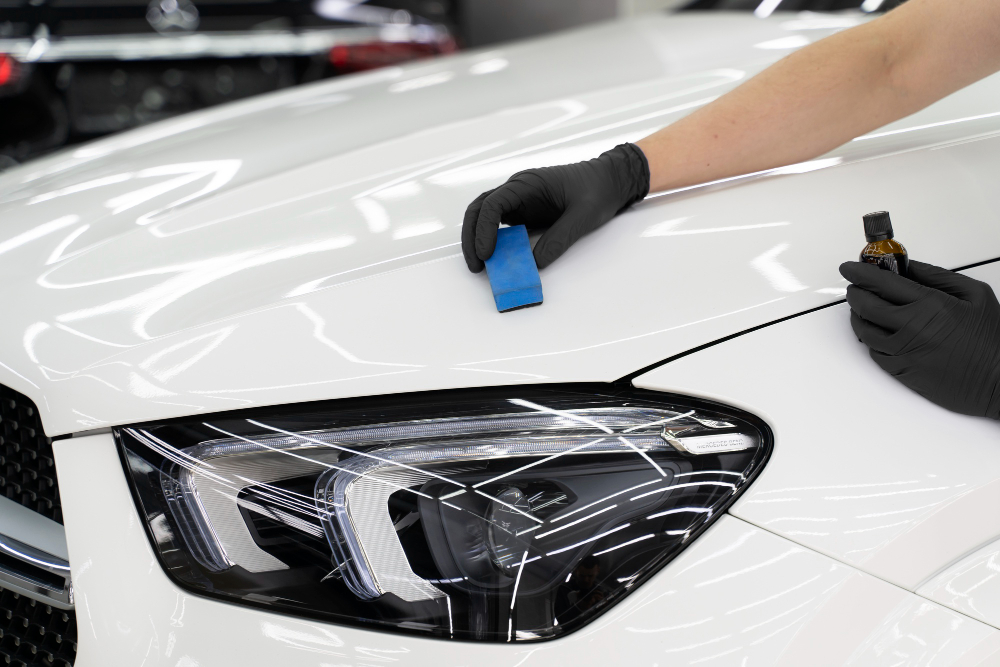
Taking care of your car’s exterior paint is actually not complicated, as long as it is done properly and consistently. This includes using the correct washing techniques, choosing safe cleaning products, and adding extra protection such as wax or coating.
All of these steps help keep your car’s color vibrant and its shine long-lasting. Combined with simple habits such as avoiding parking under direct sunlight and regularly checking the surface condition, you can prevent common damage like fine scratches, water spots, and clear coat fading.
Why Car Exterior Paint Maintenance Matters?
Car exterior paint is not just an aesthetic element—it is the first protective layer that shields your vehicle’s body from environmental damage. Every day, your car’s surface is exposed to UV rays, heat, dust, acid rain, and road grime, all of which can accelerate oxidation. Without proper care, this constant exposure causes the color to fade quickly, the surface to look dull, and the clear coat to lose its strength.
Beyond keeping your car looking attractive, regular exterior paint maintenance also helps preserve the vehicle’s resale value. A car with well-maintained paint reflects an owner’s attention to overall vehicle care, making it more appealing to potential buyers when it’s time to sell. In contrast, dull or damaged paint is often seen as a sign of poor maintenance.
Car paint care also serves as a long-term preventive measure. Fine scratches, water spots, and contaminants left on the surface for too long can damage the clear coat and eventually reach the base coat. If left untreated, these issues can lead to costly repairs—far more expensive than simple efforts like proper washing techniques or applying protective layers on a regular basis. In other words, maintaining your car’s exterior paint is not just about appearance, but an investment in keeping your vehicle in optimal condition.
Common Car Exterior Paint Problems
Despite its durability, car exterior paint is vulnerable to damage caused by weather exposure, aging, and incorrect care. Here are some of the most common issues found on car paint and how they occur over time.
1. Fading
Paint fading happens when the car’s exterior color gradually loses its vibrancy. Prolonged UV exposure, high temperatures, and surface oxidation are the primary causes. Without proper protection like wax or ceramic coating, paint pigments break down faster, resulting in a dull and uneven appearance.
2. Chalking
Chalking occurs when the paint surface releases a white, chalk-like residue. This condition is usually caused by damage to the clear coat or paint that has begun to break down due to heavy oxidation. As a result, the surface texture becomes rough and the color appears faded. This issue commonly occurs on vehicles that are rarely washed or lack regular protective treatments.
3. Cracking
Paint cracking happens when the car’s paint loses its flexibility. Common causes include old paint, poor paint application, and continuous expansion and contraction from extreme temperature fluctuations. Without proper care, small cracks can spread and eventually cause the paint to peel.
Polishing and Buffing for Car Exterior Paint Maintenance
Polishing and buffing are essential car exterior maintenance steps to restore paint shine and remove minor imperfections that cannot be eliminated through regular washing alone. These treatments help level the clear coat surface, reducing swirl marks, light oxidation, water spots, and fine scratches that make a car look dull. When done correctly, the paint surface becomes smoother, more reflective, and looks refreshed almost like new.
The polishing process works by gently removing a very thin layer of the clear coat to correct surface texture and eliminate embedded contaminants. Buffing, on the other hand, is a finishing stage that uses specialized pads to refine the polished surface, enhance gloss, and create a deeper, more mirror-like shine. Together, polishing and buffing are highly effective in improving a car’s overall appearance without the need for repainting.
Extra Protection for Car Exterior
In addition to routine care such as washing and polishing, applying an extra protective layer is an effective way to keep your car’s exterior paint durable and glossy. Protective coatings help block UV exposure, prevent contaminants from bonding too strongly to the surface, and slow down oxidation on the clear coat.
1. Wax
Wax is a basic protective layer that provides a soft shine while offering light protection against heat and water. It is usually made from natural materials such as carnauba wax or synthetic blends. One of its main advantages is ease of application and affordability. However, wax has relatively short durability, typically lasting around 1–2 months so it needs to be reapplied regularly to maintain optimal results.
2. Paint Sealant
Sealant is a more modern version of wax, offering significantly longer durability due to its synthetic composition. This protective layer provides stronger resistance against UV rays, acid rain, and road contaminants. A paint sealant can last between 4–6 months depending on driving and environmental conditions. It also creates a slick surface, making it harder for dust and water to stick; ideal for car owners seeking practical yet long-lasting protection.
3. Ceramic Coating
Ceramic coating is a premium paint protection made from silica (SiO₂) or nano-ceramic materials that chemically bond to the clear coat. This layer provides long-term protection lasting from 1 to 3 years, or even longer with certain products. Ceramic coating creates a super-hydrophobic, highly durable surface that is resistant to oxidation and light scratches. In addition to delivering an intense glossy finish, it also makes car exterior maintenance easier since dirt and contaminants are less likely to stick.
RELATED NEWS
16 Desember 2025
Car Repainting Steps & Essential Automotive Paint Materials
In the refinishing process, the quality of the final paint result is not determined solely by the
Read More >>
12 Desember 2025
Differences in Car Panel Materials: Steel, Aluminum, and Plastic
In today’s automotive industry, car panel materials are no longer limited to a single type. Each material—whether
Read More >>