The Risks of Corrosion to Car Body Safety and Structural Strength
16 Oktober 2025 | By superadmin
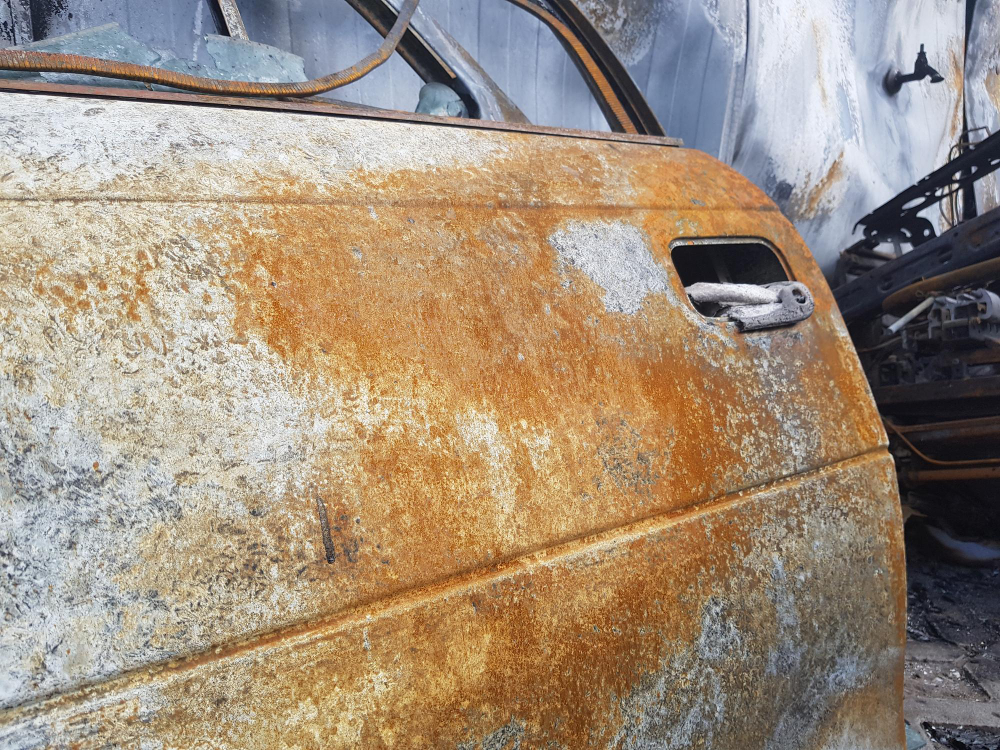
Corrosion may seem minor at first. It starts with just a few small rust spots on the metal surface. However, over time, this damage can escalate into a serious threat to the safety and structural strength of the car body.
The oxidation when metal reacts with air and moisture can gradually weaken the vehicle’s frame. If left untreated, corrosion not only diminishes the car’s aesthetic value but also reduces the structural integrity that plays a crucial role in protecting passengers during a collision.
Car Body Parts Most Prone to Corrosion
Corrosion is the gradual degradation of metal caused by an oxidation reaction with oxygen and water. In cars, rust usually appears when the protective paint layer is damaged—whether due to scratches, impacts, or aging—exposing the bare metal directly to moist air.
This chemical reaction triggers the formation of reddish-brown rust. If left untreated, corrosion can spread to panels, the frame, and other critical components, significantly weakening the vehicle’s structural strength.
Certain environmental conditions can accelerate this process. Cars frequently used in coastal areas, for instance, are more prone to rust due to exposure to salty, corrosive air. Likewise, vehicles often driven through muddy or flooded roads face increased oxidation due to high humidity and trapped dirt.
In addition, the use of road salt to melt ice in cold-climate countries is one of the main causes of rust on vehicles. The combination of moisture, oxygen, and chemicals accelerates corrosion on a car’s body structure if regular maintenance is neglected.
The Impact of Corrosion on a Car’s Structural Strength
Corrosion can gradually eat away at metal, reducing both the strength and safety of a vehicle. As rust spreads, the car’s structure loses its ability to withstand impact, potentially causing severe damage to critical components. Beyond diminishing performance, corrosion directly affects both safety and the overall value of the vehicle.
Some of the main impacts include:
- Weakened structure, making the car body more susceptible to dents or fractures during a collision.
- Critical components are affected, including the chassis, suspension, and braking system.
- Damaged paint layer, accelerating the spread of rust to other areas.
- Decreased resale value. The car appears aged and is perceived as a higher-risk vehicle.
The Effect of Corrosion on Metal Durability
Corrosion not only affects the appearance of metal surfaces. It also directly reduces their thickness and strength. Below are several key effects to be aware of:
- Metal thinning — The oxidation reaction causes the material to deteriorate, gradually reducing the thickness of the metal layer.
- Reduced structural durability — Thinner metal becomes more fragile and loses its ability to withstand loads and impacts.
- Increased risk of cracking and fracturing — Corroded areas are more prone to deformation when subjected to stress or pressure.
- Damage to joints and welds — Rusted metal joints can weaken over time, reducing the overall stability of the structure.
- More complex repair process — Metal that has thinned due to corrosion is often difficult to restore and may require complete replacement.
Risk of Frame and Body Panel Damage in Cars

Corrosion damage to a car’s frame and body panels not only affects appearance but also poses a serious safety risk to both driver and passengers. The frame, which supports the entire vehicle body, can weaken over time if rust is not promptly treated.
Some of the main risks that may arise from corrosion on a car’s frame and panels include:
- Reduced structural strength: A rusted frame loses its resistance to stress and impact, increasing the risk of breaking during an accident.
- Cracks in welded joints: Corrosion can attack metal connection points, causing welds to crack easily and weakening the body’s overall integrity.
- Perforated or peeling panels: A damaged protective coating accelerates rust formation, leading to holes and surface peeling on the car body.
- Compromised safety functions: Critical areas such as crumple zones or suspension mounts may fail to perform effectively during an impact.
- High repair costs: Severely rusted frames or panels often cannot be partially repaired and must be completely replaced.
Implications of Corrosion on Crash Safety
Corrosion doesn’t just ruin a vehicle’s appearance—it can also alter how a car responds during a collision. The car body is engineered to absorb and distribute crash energy in a controlled way through specific areas like the crumple zones and main frame. However, when the metal becomes corroded, this capability is severely reduced.
Corrosion causes the metal to lose thickness and strength, weakening areas that are designed to remain rigid. As a result, impact energy isn’t properly absorbed and may transfer directly into the passenger cabin. In addition, corroded frame sections tend to fracture more easily during a crash, increasing the risk of serious injury.
Some key effects of corrosion on crash safety systems include:
- Uncontrolled structural deformation — Corroded body areas may bend or crack beyond the intended safety design points.
- Reduced crumple zone effectiveness — Impact-absorbing zones fail to dissipate collision energy as originally engineered by the manufacturer.
- Frame joint failure — Corroded welds and bolts may detach during severe impacts.
- Increased risk of occupant injury — A weakened protective structure can no longer maintain the integrity of the passenger cabin.
Safety Risks Caused by Car Corrosion

Corrosion in cars not only affects appearance but also poses serious driving safety risks. Rusted structures can weaken, compromising their ability to protect passengers effectively. Critical components such as brakes, suspension, and the frame may lose strength, increasing the likelihood of malfunction during use. Additionally, corrosion can interfere with electrical and safety systems, including airbags and seat belts, putting drivers and passengers at greater risk in the event of an accident.
How Corrosion Reduces Vehicle Stability
Corrosion gradually erodes the strength of metal in a car’s frame and panels, which are crucial for maintaining the vehicle’s balance and structural rigidity. When these components weaken, load distribution becomes uneven, making the car feel less stable during maneuvers or at high speeds. In extreme cases, corrosion can also cause frame joints to loosen or crack, reducing handling precision and increasing the risk of losing control on the road.
Potential Hazards to the Suspension and Braking Systems
Corrosion can damage critical metal components in the suspension and braking systems, such as spring mounts, brake discs, and wheel joints. As rust begins to eat away at these parts, their structural strength decreases, reducing the effectiveness of damping and braking functions. Consequently, the car may lose stability on uneven roads or require longer braking distances, significantly increasing the risk of accidents.
Accident Risks from a Weakened Car Body
A car body weakened by corrosion can significantly increase the risk of accidents. Rusted structures lose their ability to absorb and withstand impacts, allowing collision energy to transfer more easily into the passenger cabin. Additionally, fragile panels and frames may crack or break under high stress, drastically reducing passenger protection. Over time, this condition can render the vehicle unsafe for road use.
RELATED NEWS
16 Desember 2025
Car Repainting Steps & Essential Automotive Paint Materials
In the refinishing process, the quality of the final paint result is not determined solely by the
Read More >>
15 Desember 2025
Simple Tips to Protect and Maintain Your Car’s Exterior Paint
Taking care of your car’s exterior paint is actually not complicated, as long as it is done
Read More >>